


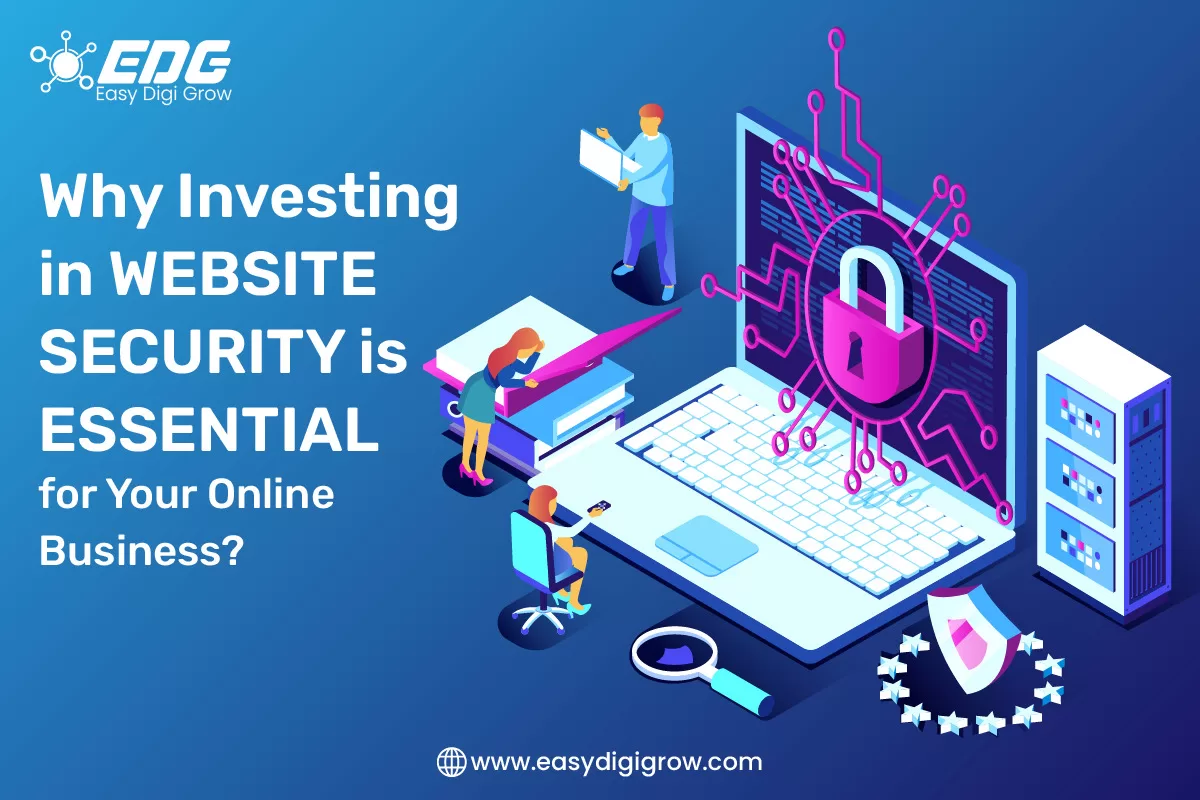
In today’s digital world, having a safe website is critical to any company’s success. With cyber-attacks on the rise, securing your online platform is more critical than ever. In this blog, we will discuss the following:
- What is website security?
- Why website security is important?
- How to improve your website security?
But first, let’s define website security and why it’s crucial to your organization.
What is Website Security?
Website security refers to the methods and precautions used to protect your website from cyber threats. It entails protecting your website from hackers, viruses, data breaches, and other dangerous actions that could disrupt its functionality or compromise important information. A secure website not only protects your business but also fosters confidence among your consumers, making them feel comfortable when surfing or conducting transactions.
Keeping your website secure is crucial for keeping your brand safe online, since cybercriminals are continuously seeking vulnerabilities. Website security encompasses a wide range of activities, including measures such as strong passwords, firewalls, and encryption, which help to safeguard your site from attackers.
What Are the Web Security Strategies?
There are several security strategies that can be used to protect your website:
- Install the SSL certificate: An SSL (Secure Sockets Layer) certificate encrypts data transmitted between your website and its visitors, protecting critical information such as credit card numbers. Sites with SSL certificates include “HTTPS” in their URL, adding an added degree of protection and trustworthiness.
- Use strong passwords: Weak passwords make it easy for hackers to obtain access to your website. Ensure that all users, particularly administrators, use complex passwords and update them on a frequent basis.
- Implement Firewalls: A firewall serves as a protective barrier between your site and external threats, blocking malicious traffic before it reaches your server.
- Regular Software Updates: Hackers often exploit outdated software and plugins to gain access to websites. Regular updates ensure that you’re always running the latest security patches.
- Backup Your Data: In case of a security flaw, frequent backups will help in ensuring that recovery of website data takes less time, hence the website being down reduces.
- Enable two-factor authentication (2FA): Two-factor authentication includes another layer of security that enables the users to verify their identity with two different forms of authentication, hence reducing the probability of any illegal access.
Why Website Security is Important
Website security is important for a variety of reasons:
- Protects Sensitive Data: If your website collects user data, such as personal or financial information, you must ensure its security. Customers may lose their privacy, money, and faith in your business if you have a data breach.
- Prevents Malware Attacks: Hackers might inject dangerous code into your website, inflicting damage not just to your company but also to your customers. This malware can spread by email links, downloads, or corrupted internet pages, damaging your reputation.
- Enhances Customer Trust: Users are more willing to interact with websites they know to be secure. Having visible security measures, such as an SSL certificate, can increase trust and encourage users to stay on your site longer and make transactions.
- Avoids Financial Loss: A cyberattack can lead to severe financial repercussions, from the cost of restoring your website to compensating customers who were affected by a data breach. Keeping your website secure helps to avert such losses.
- Improves SEO Ranking: Google prioritizes secure websites. Websites with SSL certificates score higher in search results, resulting in more organic traffic and increased brand visibility. –
How to Improve Website Security
You may improve the security of your website by taking the following actions:
- Install Security Plugins: Many content management systems (CMS), such as WordPress, include security plugins that let you monitor and block suspicious behavior. Wordfence for WordPress and Sucuri for general website protection are both popular plugins.
- Perform regular security audits: Regular security audits help in finding the presence of vulnerabilities before they are actually exploited. Check your software, user access, and general security configuration during the audits for freshness and security.
- Monitor User Access: Limit access to your website’s backend by only allowing trusted users to make changes. Ensure that admins have strong passwords and use two-factor authentication.
- Use Secure Hosting: A reliable hosting provider with strong security protocols is essential. Choose a web host that offers features like automatic backups, firewalls, and malware scanning.
- Educate your team: cybersecurity is a team effort. Ensure that all employees understand the importance of website security and are taught to identify scams and other potential threats.
Conclusion
In a world where cyber threats are becoming increasingly widespread and sophisticated, website security is no longer optional—it is required. Secure your website from threats, keep private data safe, and earn customers’ trust by using effective web security tools like SSL certificates, firewalls, and regular updates.
Furthermore, investing in professional website security services is a wise decision for organizations who want to ensure their website is always secure. Remember that a safe website is more than just stopping assaults; it is also about protecting your brand’s reputation and guaranteeing long-term success in the digital arena. Stay proactive, protected, and prioritize website security today.